By the last Saturday in August, the crowds walking up to the old Farmhouse for a tour have started to thin. School buses are back on the loop through the foothills, evenings finally carry a chill after eight o'clock, and the chickens and goats at the Farmstead settle into the quieter rhythm that comes before the harvest festival takes over the grounds. If you've spent more than one autumn in Hidden Springs, none of this is new information. What might be new is realizing that the neighborhood is, structurally, running two separate event calendars at the same time, and they barely overlap.
The Calendar Everyone Already Watches
Most residents know this one by heart. The Hidden Springs Town Association, or HSTA, manages the Community Clubhouse near the center of the neighborhood, with a great room and kitchen residents can rent, plus a fitness center with weights and treadmills. HSTA also runs the neighborhood pools, reserved for association members, residents, and their guests. Layered on top of the amenities is a rhythm of recurring social nights: summer concerts on the lawn, food truck evenings, family movie nights, and a Halloween tradition that longtime residents describe as one of the bigger nights of the year in the neighborhood. This is the calendar that shows up in HOA emails and gets passed along at the pool. It's real, and it's the reason a lot of families picked this neighborhood in the first place.
It's also only half the picture.
The Calendar Nobody Mails You
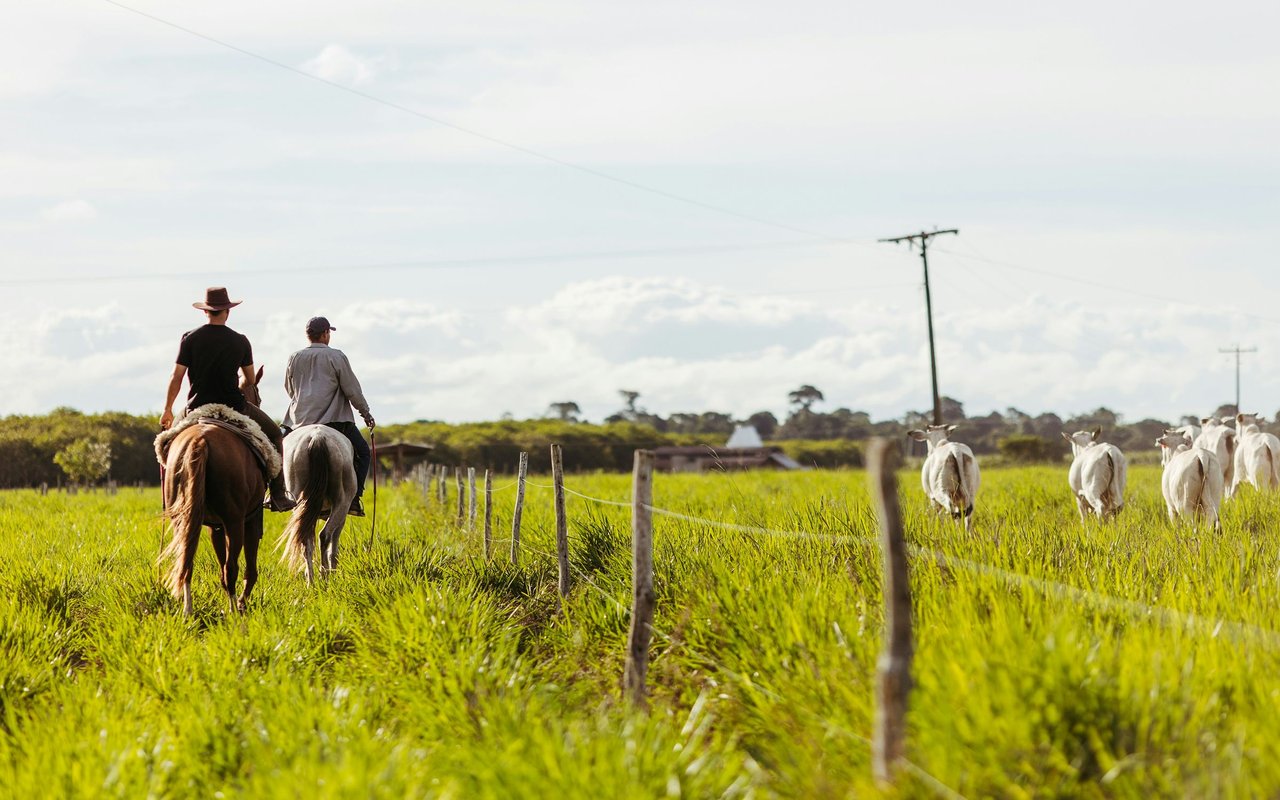
Hidden Springs is an 1,844-acre master-planned community built around a working farm that predates the neighborhood by more than a century, sitting in the Dry Creek Valley just north of Boise and east of Eagle. That farm didn't get bulldozed to make room for cul-de-sacs. It got preserved, along with more than 800 acres of open space protected under a conservation easement, and it's still operating today as a living history site under the stewardship of the Dry Creek Historical Society, a nonprofit that has nothing to do with the HOA and doesn't share a mailing list with it.
The Historical Society runs public tours of the Farmhouse every Saturday from May through September, skipping holidays. It also hosts its own set of annual events on the Farmstead grounds, including a Garden Tour that walks visitors through the Memorial Rose Garden at the Village Green, the Serenity Garden at the Farm, and the Schick-Ostolasa Gardens on the Farmstead itself. None of that appears in the pool schedule. If you've lived here two or three years and never toured the Farmhouse on a Saturday afternoon, you're not missing a niche hobby. You're missing half of what makes this particular subdivision different from every other planned community in the Treasure Valley.
Old Time Farm Day: The Farm's Own Homecoming
The signature event on the Historical Society's calendar is Old Time Farm Day, the Farmstead's fall harvest festival. It brings out demonstrations of 1860s farm life, live music, lawn games, food, and performances from historical characters tied to the property's own past. Volunteers from the Fort Boise Garrison show up in character to walk visitors through what daily life looked like in the valley before it was a valley full of subdivisions. Kids gravitate toward the chickens and goats. Adults tend to linger at whatever new addition the Society has brought in that year. Last season that meant a working windmill, a farrier demonstrating horseshoeing, and a visit from the Idaho Side Saddle Association.
None of this is staged for outsiders. It's the Historical Society's own institutional memory, performed on the same acreage where it actually happened, by an organization that exists specifically to keep that memory from disappearing under new construction. That's a different kind of neighborhood event than a food truck night, and it's worth treating it that way.
The Tea Party That Sells Out Without Advertising
If Old Time Farm Day is the Farmstead's biggest public draw, the fall Tea Party is its most quietly popular. It's a smaller, ticketed gathering built around tea and homemade treats, with volunteers walking guests through details of homestead life in the 1800s. The Society sets tables for four and offers two seating windows to accommodate demand, and registrations open a few weeks ahead of the event and lock in only once paid, because it sells out every year. There's no billboard for this. It spreads the way most of the Farmstead's programming spreads, through people who already know to check the Historical Society's own calendar rather than waiting for an HOA newsletter to mention it.
The same volunteer network turns up again over the holidays for a Fort Boise Garrison caroling and Dickens-reading event on the Farmstead grounds, which tells you this isn't a once-a-year performance troupe. It's a standing group of people who treat the farm as a place to keep working, season after season, independent of anything the master-plan developer or the town association ever put in motion.
Why the Split Is Worth Knowing
None of this is a criticism of HSTA's calendar. The pools, the clubhouse, the food truck nights, all of it is genuinely part of why Hidden Springs works as a neighborhood. But the Historical Society's programming answers a different question: not "what does the HOA offer residents this year," but "what was here before any of us arrived, and who is still taking care of it." Those are different institutions, run by different people, publishing to different audiences, and a lot of residents default to only one of them simply because it's the one that lands in their inbox automatically.
The town center reinforces the same split in miniature. Hidden Springs' own materials describe a mix of on-site retail, recreational, and educational facilities at its walkable core, and next door, the neighboring Cartwright Ranch community built its own town-center feel around the Dry Creek Mercantile along with a handful of restaurants and shops. Between the two, this stretch of the Dry Creek Valley reads like an actual small town rather than a subdivision entrance sign. That's the built environment the developer designed. The Farmstead a short walk away is the thing the developer built around, not the thing the developer built.
The trail network splits the same way, though less formally. Hidden Springs maintains dozens of named trail segments through its protected foothills acreage, including:
- Barn Owl
- Lookout Loop
- Red Tail Trail
- Dry Creek Trailhead
Some of these wind close enough to the Farmstead that a Saturday hike and a Farmhouse tour can be the same outing if you plan it that way, which is probably the easiest way to close the gap between the two calendars without much effort.
What This Means for the Rest of the Season
September and October are when the Farmstead calendar is at its busiest, between Old Time Farm Day and the fall Tea Party, right as the HSTA calendar is winding down from its summer concert and food truck season and gearing up for its own Halloween programming. For a few weeks, both calendars are running at once, which makes early fall the single best stretch of the year to notice the difference for yourself. Check the Dry Creek Historical Society's own events page directly rather than waiting for a forward from a neighbor, and treat a Saturday Farmhouse tour as a normal part of the neighborhood's rhythm rather than something you'll get to eventually.
Hidden Springs gets described often as a rare planned community that preserved something real instead of paving over it. That description holds up because a nonprofit historical society has spent years running its own calendar, independent of the HOA, to make sure the thing being preserved stays active rather than roped off. Most residents already sense that the neighborhood feels different. The Farmstead's own calendar is the reason why.
If you're curious about how neighborhoods like this one hold onto their character over time, or want a longtime local's read on what's actually distinct about a specific part of the Treasure Valley, Contact Spencer Group. We spend as much time walking these neighborhoods as we do selling homes in them.